Every decade produces good crime films. The 1970s had The Godfather and Chinatown. The 2000s had No Country for Old Men and The Departed. But the 1990s produced something unprecedented: a sustained run of genuinely great crime films, released in quick succession, each one different from the last, each one expanding what the genre could do. Looking back now, it feels almost impossible that so much quality appeared in such a short time.
Goodfellas arrived in 1990 and immediately set a new standard. Scorsese's film about Henry Hill and the Lucchese crime family is not just a great crime film — it is a great film, full stop. The energy, the editing, the use of music, the performances from Ray Liotta, Joe Pesci, and Robert De Niro — everything is working at the highest level simultaneously. The film glamorises the life and then systematically dismantles the glamour, and the whiplash between those two things is exhilarating and deeply moral.
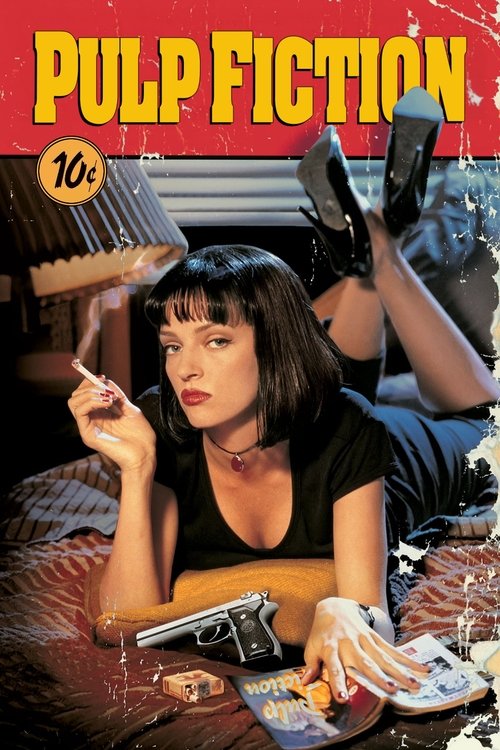
Tarantino arrived in 1992 with Reservoir Dogs and transformed independent cinema overnight. Then in 1994 came Pulp Fiction, which did not just reinvent the crime film — it reinvented narrative structure. The non-linear storytelling, the philosophical conversations between hitmen, the extraordinary cast performances — it felt like nothing that had come before. It was released in the same year as The Shawshank Redemption and Forrest Gump and still won the Palme d'Or at Cannes. That was the level of competition in the 1990s.
Michael Mann's Heat in 1995 is, for many people, the definitive crime film. The preparation that went into it — Mann had career criminals advise on tactics, the bank robbery sequence is used as a training film by military units — shows in every frame. The confrontation between Al Pacino's detective and Robert De Niro's thief over coffee is one of the most quietly electric scenes in cinema, two titans of the craft simply talking. The action sequences, particularly the downtown shootout, have never been matched.
Fargo, LA Confidential, Seven, The Usual Suspects — the decade kept delivering. What united these films was a genuine belief that crime stories could carry moral weight, complex characters, and real ideas. They were not just entertainment. They were films about the cost of violence, the seductiveness of power, and the fragility of the worlds ordinary people construct around themselves. That combination of quality and seriousness is what makes the 1990s feel, in retrospect, like a golden age.