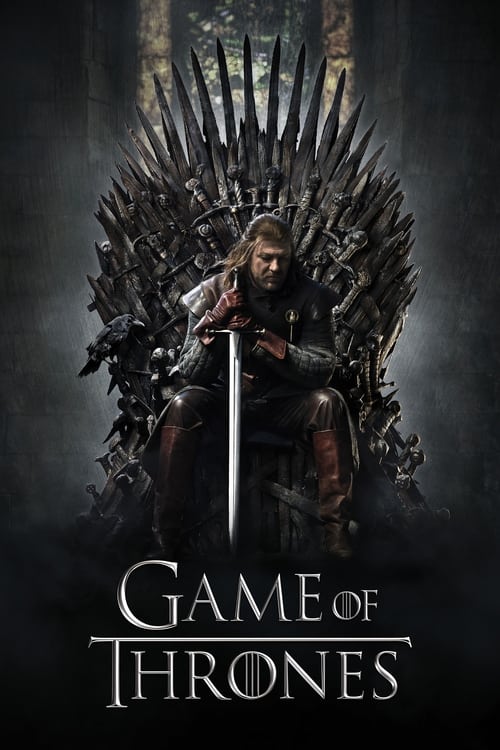
For six seasons, Game of Thrones was the most exciting drama on television. It was the show that people gathered around, that generated genuine water-cooler conversation, that made fantasy respectable in a way it had never been before. And then, in two final seasons, it became something else entirely — a lesson in what happens when a show outpaces its source material and the writers stop trusting their audience.
The first four seasons are close to perfect. George R.R. Martin's novels provided a foundation of extraordinary depth — a world with genuine history, political complexity, and characters who defied conventional hero and villain categories. Ned Stark's death at the end of Season 1 was a genuine shock, not because it was violent, but because it broke a fundamental promise television had always made: that the protagonist survives. Game of Thrones was a show where no one was safe, and that unpredictability made every scene electric.
Season 5 and 6 showed signs of strain. The show had overtaken the books, and the writers — David Benioff and D.B. Weiss — were working without Martin's detailed roadmap. The quality dipped in places but recovered. Season 6 gave us the Battle of the Bastards, still one of the finest set pieces in television history. The finale, The Winds of Winter, was genuinely magnificent. The show seemed back on track.
Then came Seasons 7 and 8. The decision to compress the story into fewer episodes had consequences that cannot be overstated. Characters who had spent seven seasons developing began making decisions that served the plot rather than their established personalities. Daenerys's turn to violence in the final season might have worked as a multi-season arc. Condensed into two episodes, it felt like a betrayal. The petition to remake Season 8 was a joke, but it contained a real feeling: millions of viewers felt genuinely let down by a show they had invested years of their emotional life in.
What Game of Thrones leaves behind is complicated. The first six seasons remain some of the best television ever made. The world-building, the performances, the sheer ambition of the production — none of that disappears. But the ending casts a shadow that is hard to ignore. It is a reminder that conclusions matter, that how a story ends shapes how we remember everything that came before.
House of the Dragon has given the world of Westeros a genuine second chance. It is, by general agreement, a much more carefully structured show. The lesson from Thrones seems to have been learned. Whether the finale will deliver remains to be seen — but at least the writers are trying.