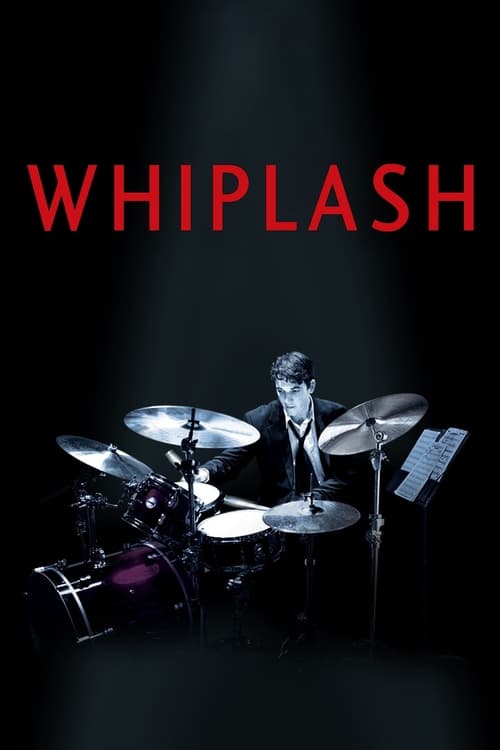
Whiplash (2014) is the most purely cinematic film about music ever made. Not about the beauty of jazz or the joy of performance — but about obsession, abuse, and the terrible cost of pursuing excellence at any price. Made for $3.3 million, it produced one of the most gripping films of the decade.
The Central Conflict
Andrew Neiman (Miles Teller) is a first-year drumming student who dreams of greatness. Terence Fletcher (J.K. Simmons) is the conservatory's most prestigious instructor, whose teaching methods involve psychological cruelty and an absolute refusal to accept anything short of perfection. The film's central moral question — does Fletcher's abuse produce greatness, or does it produce trauma that looks like greatness? — is never cleanly resolved. Chazelle presents both possibilities simultaneously.
J.K. Simmons: The Villain Who Might Be Right
Simmons won the Academy Award for Best Supporting Actor for a performance that refuses to be simply villainous. Fletcher is abusive and cruel. He is also a man who genuinely believes in something — that the only way to produce greatness is to demand it absolutely. The monologue where he justifies his methods is delivered with such conviction that it briefly convinces you. That is the measure of how good the performance is.
The Editing: The Real MVP
Tom Cross won the Academy Award for Best Film Editing. He cuts the drumming sequences like action sequences — rapid cuts building to a pace that is genuinely thrilling. The final fifteen-minute drum solo is as exciting as any chase sequence in modern cinema.
The Ending: What It Means
Andrew plays one of the greatest performances of his life — defying Fletcher, achieving something extraordinary. It is triumphant. It is also terrifying. Because what Andrew has become in order to produce this performance is a version of Fletcher himself — someone for whom music is not joy but conquest.
mnioszn Rating: 9.2 / 10